
Whole-House Heat Loss Assessments
Heat Loss Assessments for Heat Pump Sizing
Independent, whole-house Heat Loss Assessments (HLA) to help size your heat pump correctly. If a heat pump is under- or oversized, performance can suffer and heating bills can increase. Getting the design right before installation is essential.
What Is a Heat Loss Assessment?
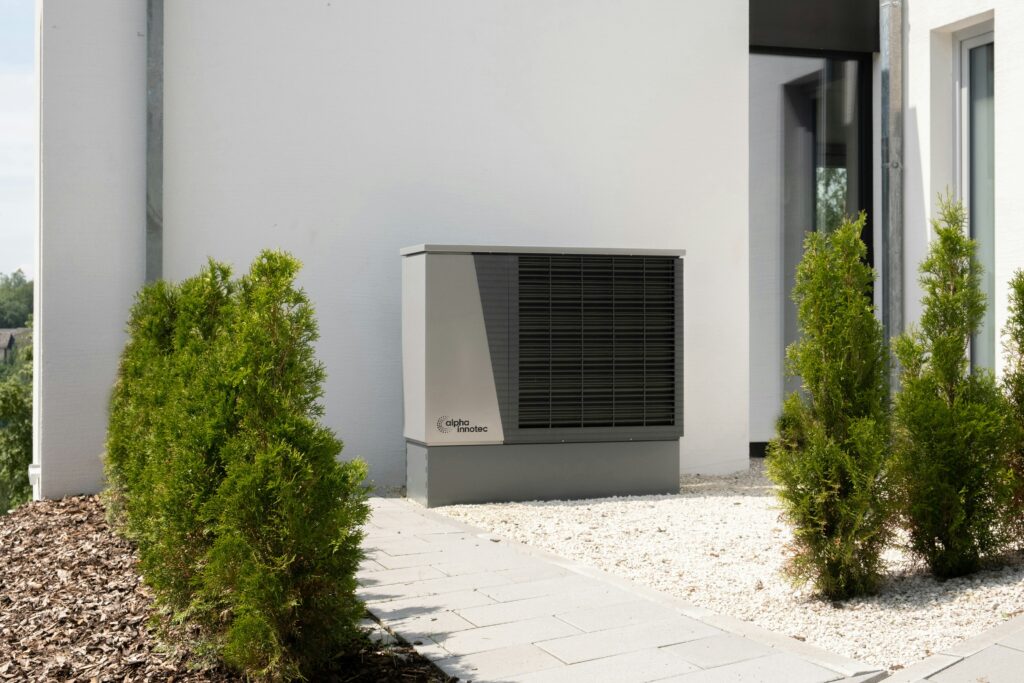
A Heat Loss Assessment calculates how much heat your home loses on a cold day, room-by-room and for the whole house. This is the key input for correctly sizing a heat pump and designing the heating system (emitters, flow temperatures, and control strategy).
The outcome is a clear set of results you can use to check your installer’s design, compare quotes, and avoid costly sizing mistakes before you commit to an installation.
Why Correct Heat Pump Sizing Matters
Avoid Under-Sizing
If the heat pump is too small, it may struggle in cold weather, run constantly at high output, and fail to maintain comfortable temperatures in certain rooms.
Avoid Over-Sizing
If the heat pump is too large, it can cycle on/off more often, reducing efficiency. Oversizing can also push costs up unnecessarily.
Lower Bills, Better Comfort
Correct sizing supports stable operation at lower flow temperatures, improving seasonal efficiency and keeping running costs under control.
Independent Check Against Installer Designs
Many installers produce their own heat loss calculations. As best practice, it’s worth checking the installer’s figures against an independent, professional assessment — especially before you commit to equipment size and emitter changes.
This helps you spot common issues such as incorrect measurements, unrealistic insulation assumptions, or room-by-room losses that don’t match how your home is actually used.
It’s a straightforward way to reduce risk and increase confidence that the system will run efficiently for years to come.
What We Measure and Check
A whole-house heat loss assessment is detail-driven. We typically capture:
Room-by-room dimensions — Accurate floor areas, ceiling heights, and exposed surface areas.
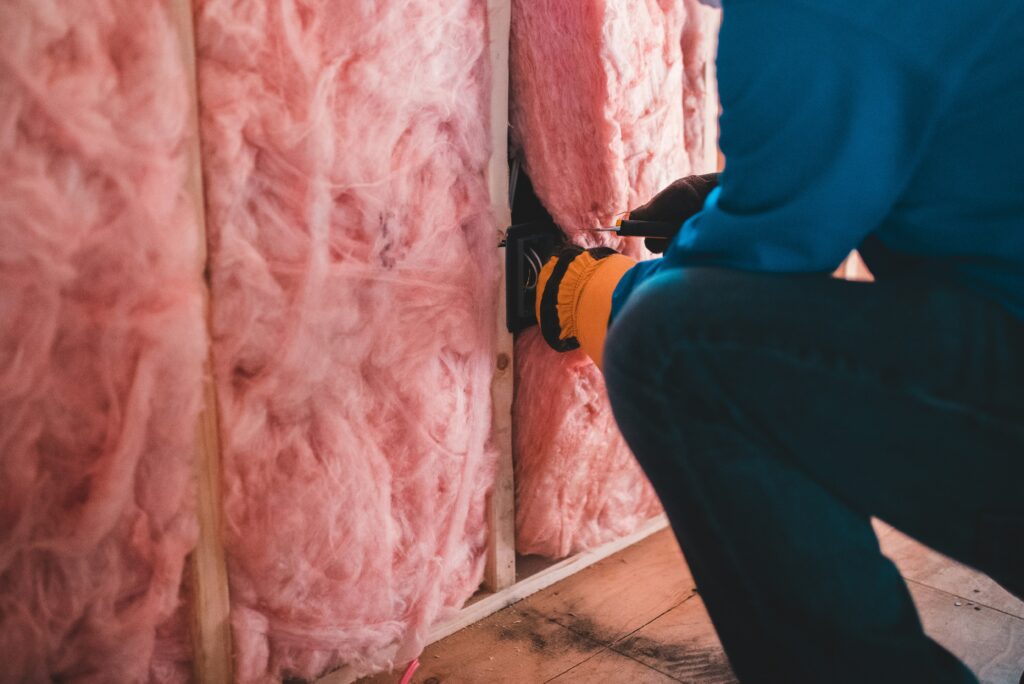
Fabric performance — Walls, windows, floors, roof/loft insulation, and reasonable U-value assumptions based on age and evidence.
Ventilation and infiltration — Extract fans, chimneys, open flues, and typical air-leakage assumptions.
Emitter suitability — A high-level check of radiators/underfloor heating against lower-temperature operation (where requested).
Heat Loss Assessment Pricing
Standard Homes
From £300
Typical: houses and flats with straightforward layouts
Larger / Complex Homes
Quoted
Typical: large floor area, multiple extensions, high room count
Installer Check Only
From £99
Review of installer HLA + comments (no site visit, if data is complete)
Prices vary based on floor area, number of rooms, complexity, and availability of plans/evidence. Any additional charges are agreed before booking.
For Heat Pump Installers
Independent heat loss assessments for installers, either measured on site or as a check of your own calculation.
Site survey: room-by-room measurements, with a whole-house and room-by-room heat loss summary, from £300.
Installer Check Only: a review of your heat loss calculation with comments, with no site visit where the data is complete, from £99.
Get in touch about a single job or regular work.
Frequently Asked Questions
Is a Heat Loss Assessment the same as an EPC?
No. An EPC is a standardised rating for compliance and comparison. A Heat Loss Assessment is a design calculation used to size heating equipment and check room-by-room requirements.
Do I need one if my installer already did it?
No, but get peace of mind by checking. An independent assessment reduces risk and helps confirm the heat pump size and emitter requirements before you invest in installation.
What do you need from me?
If you have plans, previous EPCs, or a proposed installer heat loss report, send them over. If not, we’ll capture the measurements on site.
How long does the visit take?
Most homes take 60–120 minutes depending on size, layout, and access. Larger or complex properties can take longer.
What area do you cover?
Whole-house heat loss assessments across Bristol and surrounding areas (all BS postcodes). If you’re outside BS, get in touch and we’ll confirm availability.
What do I receive at the end?
A clear summary of whole-house heat loss (kW), room-by-room losses, key assumptions, and notes you can share with your installer to confirm equipment sizing.
Ready to Size Your Heat Pump Properly?
Reduce risk, improve comfort, and protect efficiency. Get an independent whole-house Heat Loss Assessment before you install.